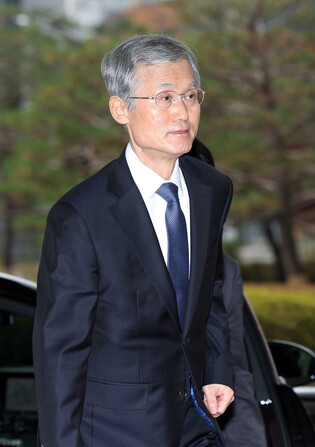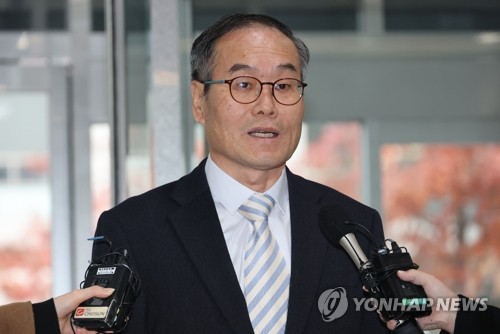
SEOUL, Nov. 11 (Yonhap) -- Justice Minister nominee Lee Yong-cheol on Wednesday reiterated that a special counsel probe into allegedly fabricated indictments against President Lee Jae Myung should focus on uncovering the truth, declining to offer a clear stance on whether he would seek to drop the indictments.
His remarks come after the National Assembly passed the special counsel bill last week, which the main opposition People Power Party (PPP) has criticized as being aimed at ultimately canceling all indictments against the president.
"As I said earlier, now is the time to focus on uncovering the truth, while there is no change to my stance that the rest should follow the law and principles," the nominee told reporters outside his office.
He earlier emphasized the role of the special counsel probe Monday following his nomination Friday.
When asked about whether he would order an investigation based on the special counsel probe results, the nominee declined to comment, noting that the special counsel has yet to even launch.
"I will watch the special counsel's fact-finding activities without any presumptions or prejudice," he said.
Former Justice Minister Jung Sung-ho, who resigned from office in August, previously said the decision on whether to withdraw an indictment targeting the president was a matter for the prosecution to determine.
The PPP suspects that Lee, if appointed, could exert his authority to order the prosecution to drop indictments against President Lee in the event the special counsel investigation concludes they were fabricated.
The nominee said he felt a heavy sense of responsibility following his nomination and pledged to prioritize implementing recent changes to the criminal justice system if he is confirmed to the role.
South Korea last month stripped prosecutors of their investigative powers, leaving them primarily tasked with indicting and prosecuting criminal cases amid long-standing criticism that they wielded excessive authority.
By law, all minister nominees are required to undergo parliamentary confirmation hearings, but parliamentary consent is not required for the president to appoint them.
(END)
[Copyright ⓒ K-VIBE. All rights reserved. Unauthorized reproduction and redistribution are prohibited.]