 |
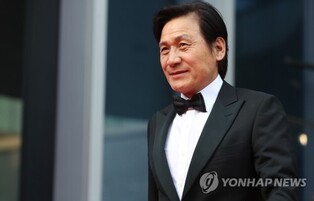
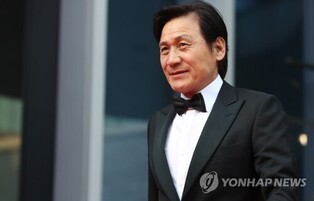
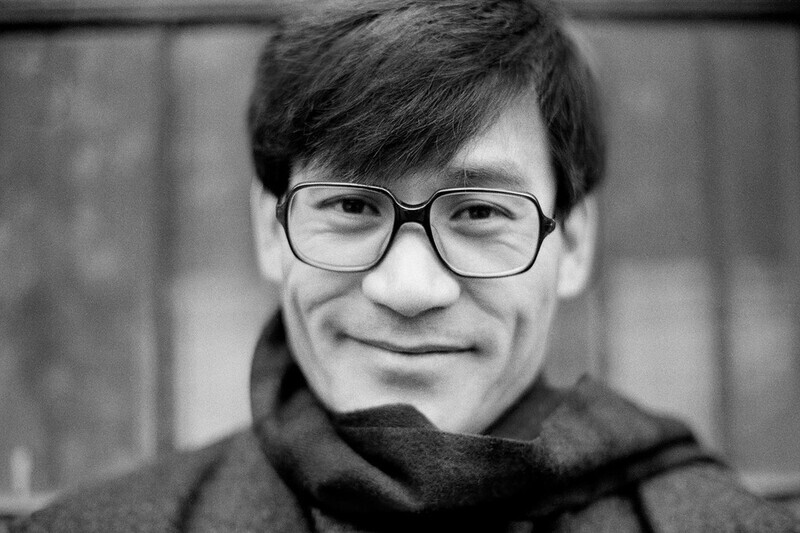
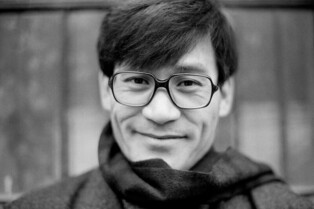
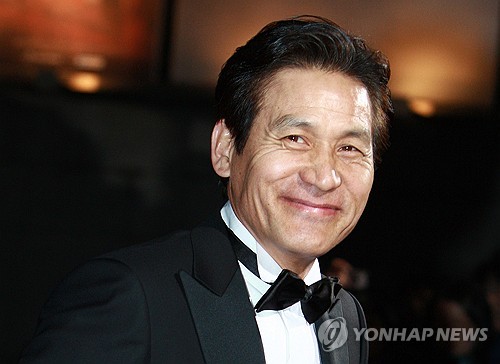
| ▲ Actor Ahn Sung-ki is seen in this file photo taken in 2008. (Yonhap) |
(LEAD) film industry-late actor
(LEAD) Film industry mourns loss of actor Ahn Sung-ki
(ATTN: UPDATES with more messages of mourning from paras 14-19)
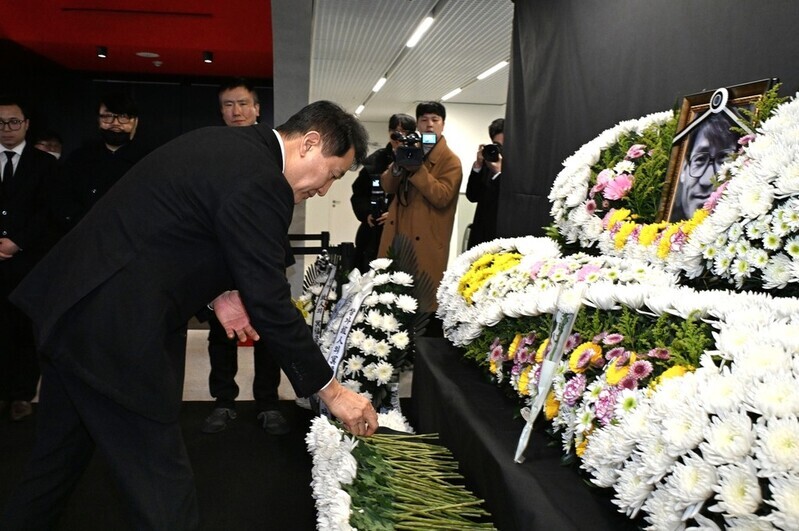
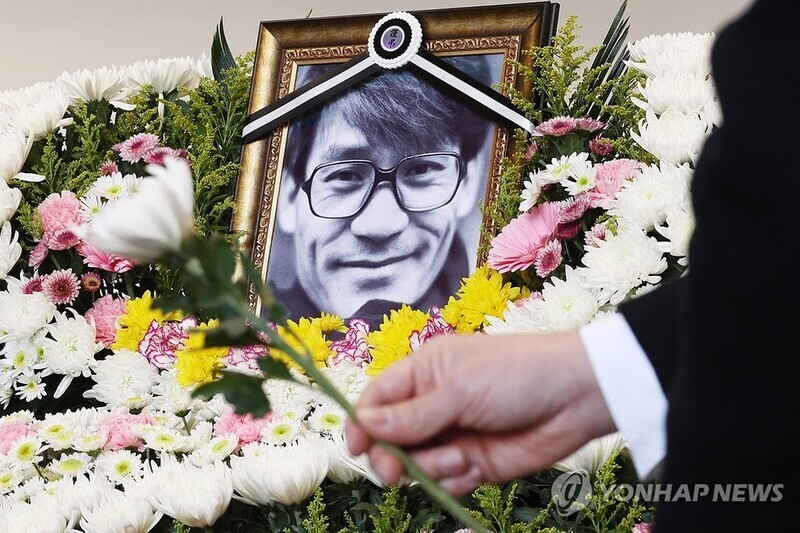
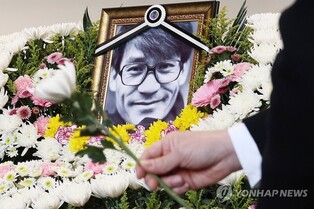
SEOUL, Jan. 5 (Yonhap) -- South Korea's film community on Monday mourned veteran actor Ahn Sung-ki, a towering figure in Korean cinema whose career spanned more than six decades.
Ahn, widely regarded as "the nation's actor" for building one of the most prolific careers in the Korean film industry, died at a Seoul hospital at age 74.
Director Bae Chang-ho, who worked with Ahn on 13 of his 18 films, said he was "filled with sorrow" at the actor's passing.
"There was still so much he could have done for the film industry. It breaks my heart that he had to leave us so soon," Bae told Yonhap News Agency by phone. "I'm grateful we were able to create so many good works together, and I will remember the beautiful films he left behind with audiences for a long time," he added.
Bae will serve as co-chair of Ahn's funeral committee, which will be hosted by members of the film industry.
Director Lee Jang-ho, who gave Ahn his breakout role in "A Fine, Windy Day" (1980), remembered the late actor as "a gentle and kind-hearted man." He recalled jokingly telling people that "I am a person who can't live without laws, but Ahn is someone who can live even without them."
Lee also revealed that Ahn occasionally wrote his own screenplays that were never published, describing them as "filled with artistic insight."
Shim Jae-myung, head of the production company Myung Film, who worked with Ahn on Im Kwon-taek's "Revivre" (2015), said she was heartbroken at the loss of "a great star of Korean cinema."
She said she has never met anyone as warm, considerate and dedicated to film as Ahn.
Director Chung Ji-young, who collaborated with Ahn on "North Korean Partisan in South Korea" (1990), "White Badge" (1992) and "Unbowed" (2012), said he was overwhelmed by emotion.
"We now need to reflect on and define what place Ahn holds in the history of Korean cinema," he said.
Actor Park Joong-hoon, who shared the screen with Ahn in several Korean film classics, including "Chil-su and Man-su" (1988), "Nowhere to Hide" (1999) and "Radio Star" (2006), described him in a memoir published last year as "my star, my respected mentor and a friend-like figure."
Park recalled visiting Ahn during his battle with blood cancer, telling him, "My life has been so good because you were in it," and struggling to hold back tears as the veteran actor smiled in silence.
Messages of mourning poured in from younger actors, singers and other members of the entertainment industry through social media.
Actor Shin Hyun-jun posted a series of photos from Ahn's past films, writing, "I learned so much from you. A good actor is a good person. I love you, Ahn."
Calling him a "great mentor and guide" on his path as an actor, Jung Bo-seok wrote, "It breaks my heart because it's far too soon for you to leave us, but I hope you rest in peace."
Younger actors, including Go Hyun-jung, Park Shin-hye, Go Kyung-pyo, Lee Si-eon and Lee Dong-hwi, also expressed their condolences on social media.
Film critic Lee Dong-jin reflected on Ahn's legacy in a lengthy blog post, listing the actor's numerous works one by one. "Even when I try to recall just part of his remarkable life, countless films vividly come to mind," he wrote.
"He was not only a great star of Korean cinema but, in the truest sense, the history of Korean film itself," Lee continued. "Throughout his long career, he was a man of extraordinary character and virtue, loved and respected by everyone."
(END)
(C) Yonhap News Agency. All Rights Reserved